| Protein: | 35.0% Min. |
|---|---|
| Moisture: | 13.5% Max. |
| Foreign Material: | 2.0% Max. |
| Oil Content: | 18.5% Min. |
| Kernels: | 3.0% Max. |

Home / Brazilian SoyBean
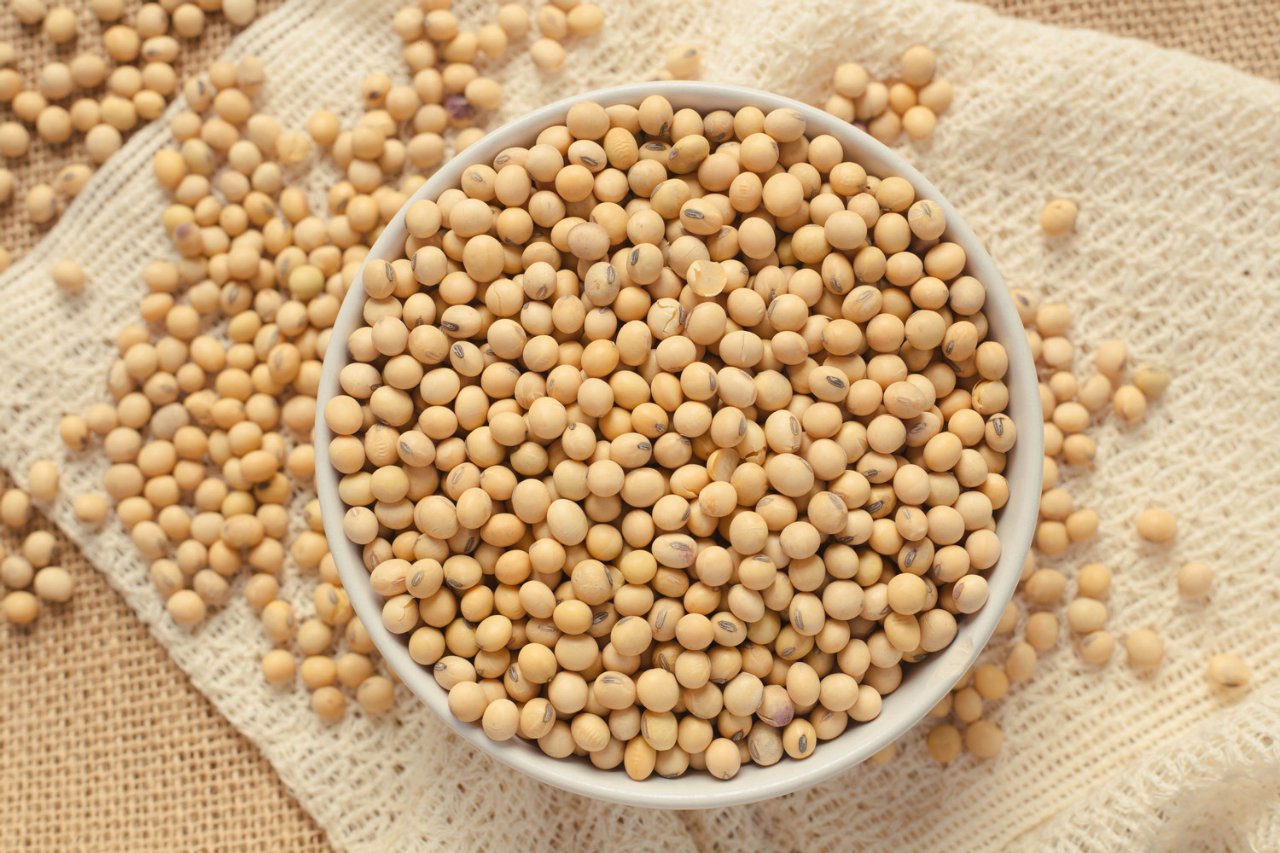
Soybeans are a versatile, high-protein plant food that belongs to the pea family. Available in various forms, soybeans are essential in many diets and industries. Here’s a breakdown of the main types of Brazilian soybeans and their uses:
Green Soybeans (Edamame)
Yellow Soybeans
Black Soybeans
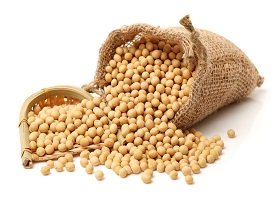
| Protein: | 35.0% Min. |
|---|---|
| Moisture: | 13.5% Max. |
| Foreign Material: | 2.0% Max. |
| Oil Content: | 18.5% Min. |
| Kernels: | 3.0% Max. |
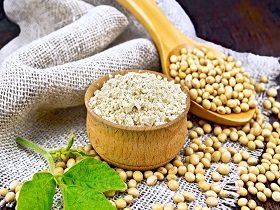
| Protein: | 46.0% Min. |
|---|---|
| Fat: | 7.0% Max. |
| Moisture: | 10.0% Max. |
| Fiber: | 8.0% Max. |
| Sand and Silica: | 2.0% Max. |

| Myristic: | 0.1% Max. |
|---|---|
| Palmitic: | 8.0 – 12.0% Max. |
| Palmitoleic: | 0.3% Max. |
| Margaric: | 0.1% Max. |
| Lignoceric: | 0.4% Max. |
Brazilian soybeans offer numerous advantages across industries, from food production to agriculture. Here are the top benefits:
Genetically Modified (GM) Soybeans
Conventional Soybeans
Organic Soybeans
Brazil is a global leader in soybean production, offering high-quality crops suited for various industrial and dietary applications. Whether you need soybeans for food products, oil extraction, or animal feed, Brazil provides diverse and reliable options to meet your needs.
By understanding the unique qualities and applications of each type, businesses and consumers can make informed decisions when selecting soy products.
Brazilian soybeans offer numerous advantages across industries, from food production to agriculture. Here are the top benefits:
With their unmatched versatility, nutritional profile, and economic and environmental benefits, Brazilian soybeans are an invaluable resource for industries and individuals worldwide.